Treasure of the East
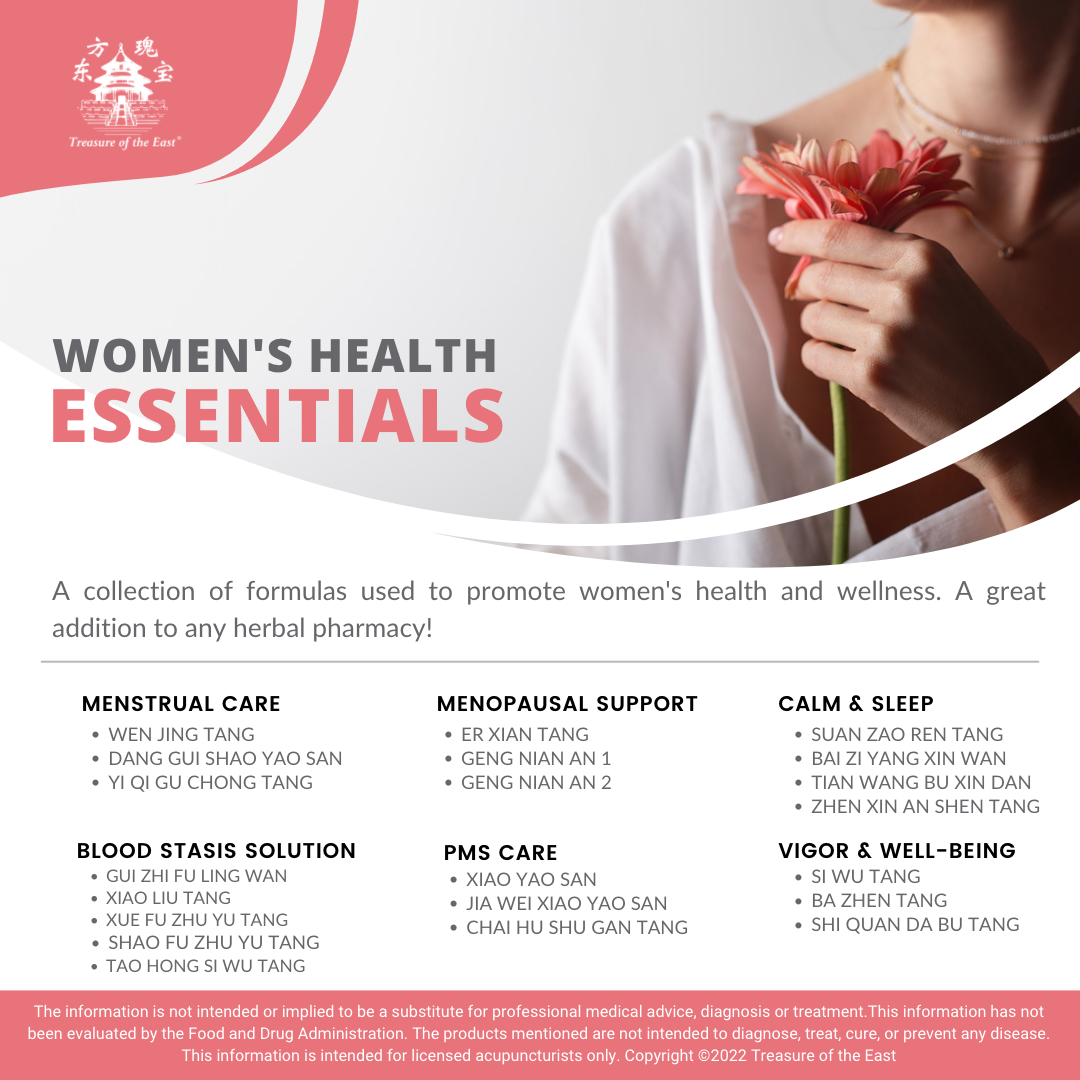
Yi Qi Gu Chong Tang - 益气固冲汤 - Astragalus & Agrimonia Combination (Granules)
Yi Qi Gu Chong Tang - 益气固冲汤 - Astragalus & Agrimonia Combination (Granules)
Couldn't load pickup availability
Not sure this is your formula?
Most people who search a formula name are guessing. Chorus Premium pairs you with a team of Chinese medicine practitioners and a PhD pharmacologist who match the formula to you, check it against your medications, and adjust it as you change.
Full-spectrum, water-based herbal extract; concentrated 5:1 granules (100g/bottle).
Item Number: Y040
Chinese Name: 益气固冲汤, Yi Qi Gu Chong Tang
English Name: Astragalus & Agrimonia Combination
This modern formula is designed to address common Western conditions, and was selected for inclusion in our catalogue based on the efficacy of their use in TCM hospitals.*
Formula Principles:
Boosts Qi, fortifies spleen, strengthens the Chong Mai to contain blood
Ingredients:
| Huang Qi (Mi) | Astragalus Root (Processed) |
| Bai Zhu | White Atractylodes Rhizome |
| Chai Hu | Bupleurum Root |
| Ai Ye Tan | Mugwort Leaf (Carbonized) |
| Xian He Cao | Agrimonia Herb |
| Jing Jie | Schizonepeta Herb |
| Dang Shen | Codonopsis Root |
| Gan Cao | Licorice Root |
| Dang Gui | Chinese Angelica Root |
| Xu Duan | Dipsacus Root |
| Sheng Ma | Cimicifuga Rhizome |
TCM Pattern:
Spleen and kidney deficiency with insecurity of the Chong Mai, irregular menstruations due to spleen and kidney deficiency
Dosage
Mix 4.5 g in hot water and drink as tea, 2-3 daily.
Classical source
Classical source
Yi Qi Gu Chong Tang is a modern clinic formula, without a single classical source. It is built on Bu Zhong Yi Qi Tang, the formula Li Dongyuan recorded in Pi Wei Lun (Treatise on the Spleen and Stomach) in the thirteenth century to raise sinking Spleen qi. It shares that formula's lifting design: astragalus with codonopsis, white atractylodes, Chinese angelica, bupleurum, cimicifuga and licorice. To these it adds agrimony, carbonised mugwort leaf, schizonepeta and dipsacus, to hold blood in the vessels and steady the Chong vessel. Yi qi means to boost qi, and gu chong means to secure the Chong, or Penetrating, vessel.
The pattern
The pattern
The pattern is Spleen qi failing to hold blood, with the Chong vessel insecure (pi bu tong xue, chong mai bu gu). In Chinese medicine Spleen qi keeps blood inside the vessels, and the Chong vessel, rooted in the Kidney, governs menstrual flow. When qi is too weak to hold, periods come heavy, long or with spotting between them, and the blood is pale and thin. There is tiredness, breathlessness on effort, a pale face, poor appetite, loose stools, a dragging or bearing-down feeling and an aching lower back. Bruising may come easily. The tongue is pale and swollen with tooth marks, and the pulse thin and weak. Bright red blood with heat, or dark clots with stabbing pain, points to a different pattern.
How it works in Chinese medicine
How it works in Chinese medicine
The treatment principle is to boost qi, lift what has sunk and hold blood in the vessels. Honey-fried astragalus is the chief, raising and strengthening Spleen qi. Codonopsis and white atractylodes are the deputies, building qi so that it can hold. Bupleurum and cimicifuga lift the clear yang, which counters the bearing-down feeling. Agrimony and carbonised mugwort leaf are assistants that stop bleeding, the mugwort also gently warming the lower abdomen, and schizonepeta helps guide blood back into its channels. Chinese angelica nourishes the blood that has been lost, and dipsacus tonifies the Kidney to steady the Chong vessel. Licorice harmonises. The logic is to address the root, weak qi, while securing the flow.
Ingredients
Ingredients
- Huang Qi (mi): Astragalus root, honey-fried
- Bai Zhu: White atractylodes rhizome
- Chai Hu: Bupleurum root
- Ai Ye Tan: Mugwort leaf, carbonised
- Xian He Cao: Agrimony herb
- Jing Jie: Schizonepeta herb
- Dang Shen: Codonopsis root
- Gan Cao: Licorice root
- Dang Gui: Chinese angelica root
- Xu Duan: Dipsacus root
- Sheng Ma: Cimicifuga rhizome
Eleven plant ingredients, with no animal or mineral substances. The astragalus is honey-fried and the mugwort leaf is carbonised.
How to use
How to use
The granules are a 5:1 full-spectrum water extract, 100 g per bottle, mixed into hot water and drunk as a tea. Mix 4.5 g in hot water and drink as tea, 2-3 daily, or as directed by your practitioner.
If you are pregnant, nursing, taking medication or managing a health condition, speak with your practitioner before use. Educational information only; these statements have not been evaluated by the FDA and this product is not intended to diagnose, treat, cure or prevent any disease.
In biomedical terms
In biomedical terms
In TCM terms this is a pattern of weak holding: qi too weak to keep blood in the vessels, and a Chong vessel that cannot steady the flow. Research interprets it as nitric oxide misdirected in the uterine lining and gas signalling that shapes how platelets stick. The human uterine lining contains endothelial and inducible nitric oxide synthase, and nitric oxide is thought to take part in starting and controlling menstrual bleeding [1]. In a study of women with and without menorrhagia, the uterine lining of those with heavy bleeding produced significantly more nitric oxide [2]. Platelets answer to gases as well: a hydrogen sulfide donor reduced human platelet aggregation to a wide range of triggers [3], and a nitric oxide donor reduced platelet adhesion to collagen [4]. For the tiredness and weak limbs of Spleen qi deficiency, in studies the pattern lowered muscle grip strength, mitochondrial membrane potential and energy (ATP), with more oxidative stress [5].
On the formula side, among its herbs cimicifuga polysaccharide lowered Desulfovibrio, a hydrogen sulfide-producing bacterium, and Bacteroides [6]. Agrimony polysaccharides enriched a Faecalibaculum bacterium whose metabolite quinic acid supported regulatory T cells and calmed gut inflammation [7]. Astragalus polysaccharide raised bacteria that make short-chain fatty acids, with more acetate, propionate and butyrate [8], and mugwort leaf polyphenols raised Butyricimonas, Lactobacillus and butyric acid [9].
Questions and answers
Questions and answers
What is Yi Qi Gu Chong Tang used for in Chinese medicine?
Yi Qi Gu Chong Tang is a modern formula traditionally used for Spleen qi failing to hold blood with the Chong vessel insecure: heavy, prolonged or in-between bleeding with pale, thin blood, tiredness, a pale face, poor appetite and a bearing-down feeling. It boosts and lifts qi and holds blood in the vessels. A practitioner usually confirms the pattern, and unusual bleeding needs a medical check first.
What pattern is Yi Qi Gu Chong Tang for?
Spleen qi failing to hold blood, with the Chong vessel insecure (pi bu tong xue, chong mai bu gu). Qi is too weak to keep blood in the vessels and steady the menstrual flow. Typical signs are a pale, swollen tongue with tooth marks and a thin, weak pulse. Bright red blood with thirst and heat, or dark clots with stabbing pain, point to blood heat or blood stasis, which need different formulas.
How does Yi Qi Gu Chong Tang work?
In Chinese medicine terms it raises and strengthens Spleen qi with astragalus, codonopsis and white atractylodes, lifts with bupleurum and cimicifuga, and holds blood with agrimony and carbonised mugwort. In biomedical terms, research links the pattern to nitric oxide in the uterine lining [1] [2] and to gas signalling in platelets [3]. Among its herbs, cimicifuga lowered a hydrogen sulfide-producing bacterium [6], and agrimony enriched a bacterium that calms gut inflammation [7].
How is Yi Qi Gu Chong Tang different from Gui Pi Tang?
Both strengthen the Spleen so that it can hold blood. Gui Pi Tang also nourishes the Heart and calms the mind, so it suits bleeding or bruising with poor sleep, palpitations and worry. Yi Qi Gu Chong Tang lifts sinking qi with bupleurum and cimicifuga and adds herbs that stop bleeding, so it suits heavy or prolonged flow with tiredness and a bearing-down feeling.
Who should not take Yi Qi Gu Chong Tang?
Heavy, prolonged or unexpected bleeding should be checked by a doctor before any herbal approach, and urgently if it is sudden or comes with dizziness or fainting. If you are pregnant or trying to conceive, check with your practitioner first. Check with a practitioner too if you take blood-thinning medication. Traditionally it is not used for bleeding with heat signs, or with dark clots and stabbing pain.
How long does Yi Qi Gu Chong Tang take to work?
In Chinese medicine, practitioners usually judge a qi-building formula like this across one or two full cycles, watching energy, the bearing-down feeling and the character of the flow. If nothing has shifted by then, it is worth asking whether the pattern was the right match. Any bleeding that worsens needs prompt medical review.
References
References
- Cameron IT et al. (1998). Nitric oxide in the endometrium. Hum Reprod Update. PubMed
- Zervou S et al. (1999). Nitric oxide synthase expression and steroid regulation in the uterus of women with menorrhagia. Mol Hum Reprod. PubMed
- Zagli G et al. (2007). Hydrogen sulfide inhibits human platelet aggregation. Eur J Pharmacol. PubMed
- Irwin C et al. (2009). Nitric oxide inhibits platelet adhesion to collagen through cGMP-dependent and independent mechanisms: the potential role for S-nitrosylation. Platelets. PubMed
- Liu WJ et al. (2021). Efficacy of Sijunzi decoction on limb weakness in spleen Qi deficiency model rats through adenosine monophosphate-activated protein kinase/unc-51 like autophagy activating kinase 1 signaling. J Tradit Chin Med. PubMed
- Luo Q et al. (2026). Cimicifuga foetida L. polysaccharide alleviates ulcerative colitis by inhibiting pyroptosis and regulating gut microbiota. Front Pharmacol. PubMed
- Hu J et al. (2026). Faecalibaculum rodentium- derived quinic acid- mediated Treg differentiation drives the attenuation intestinal inflammation by Agrimoniae Herba polysaccharides. Carbohydr Polym. PubMed
- Liu W et al. (2024). Oral Astragalus polysaccharide alleviates adenine-induced kidney injury by regulating gut microbiota-short-chain fatty acids-kidney G protein-coupled receptors axis. Ren Fail. PubMed
- Zhang H et al. (2024). Artemisia argyi polyphenols Attenuates DSS-induced colitis in mice by regulating the structural composition of gut microbiota. Phytomedicine. PubMed
Share