Treasure of the East
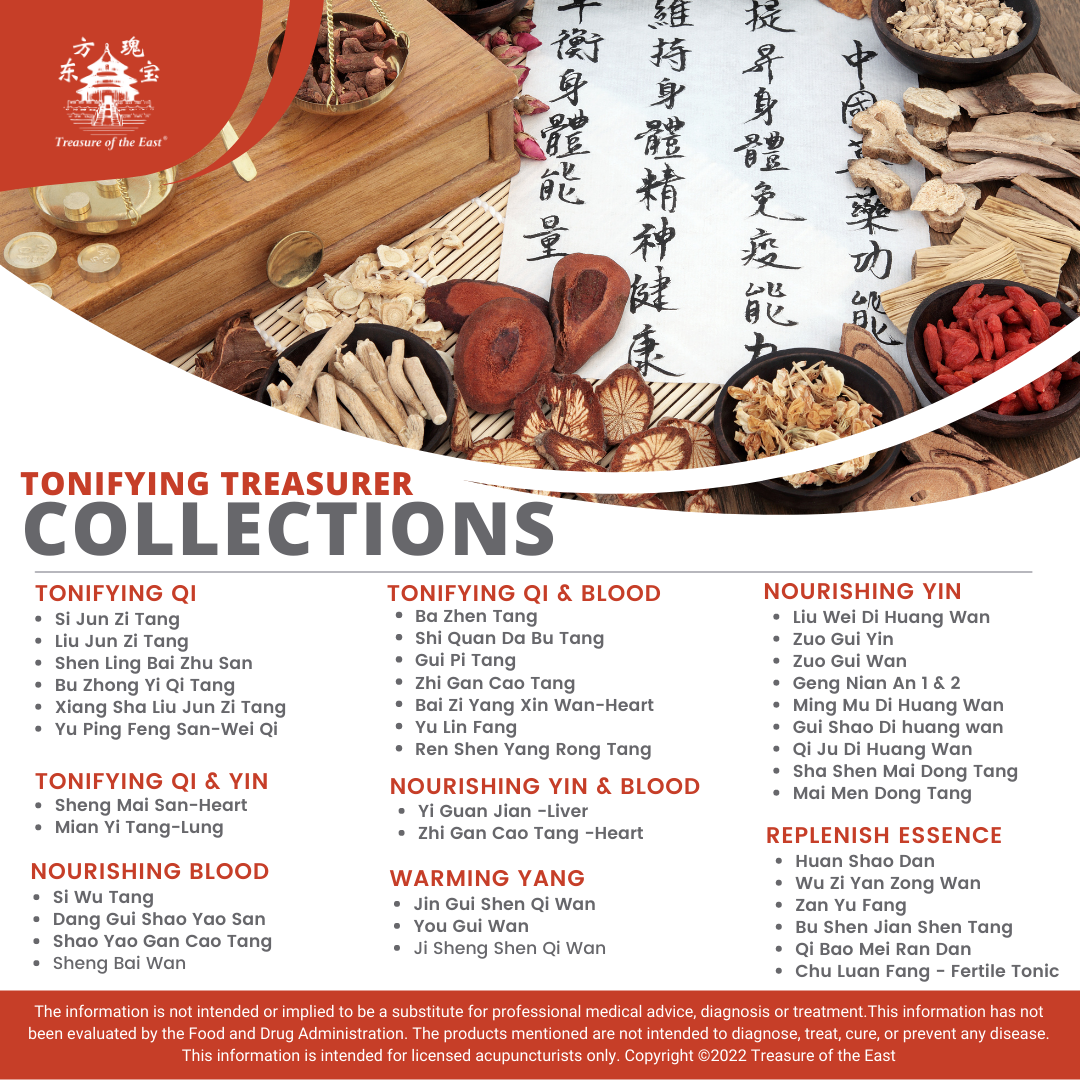
Sheng Bai Wan - 升白丸 – Pseudostellaria & Astragalus Combination (Granules)
Sheng Bai Wan - 升白丸 – Pseudostellaria & Astragalus Combination (Granules)
Couldn't load pickup availability
Not sure this is your formula?
Most people who search a formula name are guessing. Chorus Premium pairs you with a team of Chinese medicine practitioners and a PhD pharmacologist who match the formula to you, check it against your medications, and adjust it as you change.
Full-spectrum, water-based herbal extract; concentrated 5:1 granules (100g/bottle).
Chinese Name: 升白丸, Sheng Bai Wan
English Name: Pseudostellaria & Astragalus Combination
Item Number: S082
This modern formula is designed to address common Western conditions, and was selected for inclusion in our catalogue based on the efficacy of their use in TCM hospitals.*
Formula Principles:
Tonifies the kidney and spleen, supplements marrow and nourishes blood, supports immunity
Ingredients:
| Huang Qi (Mi) | Astragalus Root (Processed) |
| Tai Zi Shen | Pseudostellaria Root |
| Bai Zhu (Chao) |
White Atractylodes Rhizome (Processed)* |
| Chen Pi (Chao) | Tangerine Peel (Processed) |
| Ban Xia (Fa) | Pinellia Rhizome (Processed) |
| Shan Yao | Dioscorea Rhizome |
| Dang Gui | Chinese Angelica Root |
| Gou Qi Zi | Goji Berry |
| Nu Zhen Zi (Jiu Zhi) | Ligustrum Fruit (Processed) |
| He Shou Wu (Zhi) |
Flowery Knotweed Root (Processed) |
| Huang Jing (Jiu Zhi) |
Polygonatum Rhizome (Processed) |
| Zhi Mu | Anemarrhena Rhizome |
| Ji Xue Teng | Spatholobus Stem |
| Shi Wei | Pyrrosia Leaf |
| San Qi | Notoginseng Root |
| Da Zao | Jujube Fruit |
Allergen: Processed with Wheat *
TCM Pattern:
Blood insufficiency caused by spleen and kidney weakness or by chemo or radiation therapy manifested with pale skin, fatigue, dizziness, and loss of appetite
Dosage:
Mix 4.5 g in hot water and drink as tea, 2-3 daily.
Also available as Capsules.
Classical source
Classical source
Sheng Bai Wan is a modern formula rather than one from the classical texts; its maker describes it as selected from use in Chinese hospitals. Its name means a pill to raise the white, the hospital term for the white cells of the blood. It is built from classical parts. Astragalus with Chinese angelica is Dang Gui Bu Xue Tang, Li Dongyuan's thirteenth-century pairing for making blood by first strengthening qi. Pseudostellaria, white atractylodes, Chinese yam and jujube strengthen the Spleen, and tangerine peel with pinellia keep the tonics from clogging. Goji, ligustrum, fleeceflower root and polygonatum nourish Kidney essence and blood, while spatholobus and notoginseng keep blood moving.
The pattern
The pattern
The pattern is Spleen and Kidney deficiency with qi and blood deficiency (pi shen liang xu, qi xue liang xu). In Chinese medicine the Spleen makes qi and blood from food, and the Kidney stores the essence that becomes marrow, from which blood is also made. When both are weak, a person feels drained: tired, short of breath on effort, dizzy on standing, with a pale or sallow face, pale lips and nails, a poor appetite and a weak low back and knees. Recovery from effort is slow. The tongue is pale, often swollen with tooth marks and a thin white coat, and the pulse is thin and weak. Effort and blood loss make it worse; rest and regular meals help. A red tongue with a dry or yellow coat points to heat, which needs a different approach.
How it works in Chinese medicine
How it works in Chinese medicine
The treatment principle is to strengthen the Spleen and Kidney, supplement qi, nourish blood and fill the marrow. Honey-fried astragalus and pseudostellaria lead, raising qi gently without heat. Chinese angelica joins astragalus so that strengthened qi can make blood. White atractylodes, Chinese yam and jujube support the Spleen, and tangerine peel with pinellia move and dry damp so the tonics are digested rather than sitting heavily. Goji berry, ligustrum fruit, processed fleeceflower root and polygonatum nourish Kidney essence and blood. Spatholobus stem nourishes and moves blood and notoginseng moves it, so new blood circulates. Anemarrhena cools and moistens, balancing the warmth of the tonics. The logic is to rebuild from both roots, food and essence, while keeping the formula easy to digest.
Ingredients
Ingredients
- Huang Qi (mi zhi): Astragalus root, honey-fried
- Tai Zi Shen: Pseudostellaria root
- Bai Zhu (chao): White atractylodes rhizome, dry-fried
- Chen Pi (chao): Tangerine peel, dry-fried
- Ban Xia (fa): Pinellia rhizome, processed
- Shan Yao: Chinese yam (dioscorea rhizome)
- Dang Gui: Chinese angelica root
- Gou Qi Zi: Goji berry
- Nu Zhen Zi (jiu zhi): Ligustrum fruit, wine-processed
- He Shou Wu (zhi): Fleeceflower root, processed
- Huang Jing (jiu zhi): Polygonatum rhizome, wine-processed
- Zhi Mu: Anemarrhena rhizome
- Ji Xue Teng: Spatholobus stem
- Shi Wei: Pyrrosia leaf
- San Qi: Notoginseng root
- Da Zao: Jujube fruit
Sixteen plant ingredients, with no animal or mineral substances. The astragalus is honey-fried; the ligustrum fruit and polygonatum are wine-processed; the white atractylodes and tangerine peel are dry-fried; the pinellia and fleeceflower root are processed. Processed with wheat, so not suitable for anyone with celiac disease. Concentrated 5:1 water extract; granules in 100 g bottles and capsules in bottles of 100.
How to use
How to use
The granules are a 5:1 full-spectrum, water-based extract, 100 g per bottle. Mix 4.5 g in hot water and drink as a tea, two to three times daily, or as directed by your practitioner.
Also made as capsules, for the same formula in a different form.
If you are pregnant, nursing, taking medication or managing a health condition, speak with your practitioner before use. Educational information only; these statements have not been evaluated by the FDA and this product is not intended to diagnose, treat, cure or prevent any disease.
In biomedical terms
In biomedical terms
In TCM terms the source of qi and blood has run low at both of its roots. Research interprets the Spleen side through nitric oxide in the gut: when nitric oxide production was blocked in a double-blind study, the stomach relaxed to a meal by less than half as much and fullness came sooner [1], a picture of poor appetite and early fullness. Research interprets blood deficiency as a strain on vessel signalling: in studies, iron-deficiency anaemia raised nitric oxide signalling in small arteries, and restoring iron brought it back to normal [2]. On the Kidney side, a study of bone tissue grouped by TCM pattern found that Kidney-yang deficiency was marked by small vessels short of energy and blood flow, with reduced nitric oxide signalling [3].
On the formula side, the herbs act on the marrow and through the gut flora. In studies where the marrow had been suppressed by cyclophosphamide, astragaloside IV from astragalus with saponins from polygonatum protected blood-forming stem cells and restored white blood cell counts [4]. Pseudostellaria raised Lactobacillus and butyrate in a study of Spleen deficiency [5], and its polysaccharide restored Odoribacter and immune function after immune suppression [6]. Astragalus polysaccharides raised bacteria that make short-chain fatty acids, with benefits that depended on the gut flora [7]. Goji polysaccharide raised Gemmiger in adults over 12 weeks [8], a polygonatum fructan lifted Bifidobacterium from about 5 to 43 percent of a gut community [9], and notoginseng saponins raised Akkermansia [10].
Questions and answers
Questions and answers
What is Sheng Bai Wan used for in Chinese medicine?
Sheng Bai Wan is a modern formula used in Chinese medicine for Spleen and Kidney deficiency with qi and blood deficiency: tiredness, breathlessness on effort, dizziness on standing, a pale face and lips, poor appetite and a weak low back and knees, with a pale, swollen tongue and a thin, weak pulse. It strengthens the Spleen, nourishes Kidney essence and builds blood. A practitioner usually confirms the pattern first.
What pattern is Sheng Bai Wan for?
Spleen and Kidney deficiency with qi and blood deficiency (pi shen liang xu, qi xue liang xu). The Spleen makes qi and blood from food and the Kidney stores the essence that becomes marrow, so both roots of blood are low. Typical signs are a pale tongue with tooth marks and a thin, weak pulse. A red tongue with a dry or yellow coat points to heat, which needs a different formula.
How does Sheng Bai Wan work?
In Chinese medicine terms, astragalus and pseudostellaria raise qi, Chinese angelica turns that qi into blood, and goji, ligustrum, fleeceflower root and polygonatum nourish essence and marrow. In biomedical terms, research links the pattern to nitric oxide signalling in the gut [1] and in the small vessels of bone [3]. In studies, astragalus and polygonatum compounds protected blood-forming stem cells [4], and pseudostellaria raised Lactobacillus and butyrate [5].
What is the difference between Sheng Bai Wan capsules and granules?
Both are 5:1 full-spectrum water extracts of the same sixteen herbs from the same maker. The granules dissolve in hot water and are drunk as a tea, which makes the amount easy for a practitioner to adjust. The capsules hold the same kind of extract in a portable, tasteless form. Follow the label or your practitioner for how much to take.
Who should not take Sheng Bai Wan?
Check with a practitioner first if you are pregnant or breastfeeding, take prescription medication, are receiving medical treatment, or have liver or kidney problems. It is processed with wheat, so it is not suitable for anyone with celiac disease. Traditionally, a rich tonic like this is not the choice during an acute fever or when the picture is heat or heavy damp, with a red tongue or a thick greasy coat.
How long does Sheng Bai Wan take to work?
Qi and blood are rebuilt slowly, so practitioners usually judge change over several weeks, watching energy, appetite, colour in the face and lips, and the tongue becoming less pale. Regular meals and enough sleep carry part of the work, since in Chinese medicine blood is made from food and rest. If nothing has shifted after several weeks, it is worth asking whether the pattern was the right match.
References
References
- Tack J et al. (2002). Role of nitric oxide in the gastric accommodation reflex and in meal induced satiety in humans. Gut. PubMed
- Dunaway LS et al. (2026). Arterial iron regulates vasodilation during anemia via endothelial holo-α-globin. Blood. PubMed
- Cui J et al. (2026). Single-cell transcriptomic atlas of Kidney-Yang and Kidney-Yin deficiency syndromes reveals distinct osteoimmune-stromal programs underlying osteopenia and osteoporosis. MedScience. PubMed
- Gu X et al. (2021). Astragaloside IV and Saponins of Rhizoma Polygonati Cure Cyclophosphamide-Induced Myelosuppression in Lung Adenocarcinoma via Down-Regulating miR-142-3p. Front Oncol. PubMed
- Xiao Q et al. (2022). Polysaccharides from Pseudostellaria heterophylla modulate gut microbiota and alleviate syndrome of spleen deficiency in rats. Sci Rep. PubMed
- Kan Y et al. (2022). The regulatory effects of Pseudostellaria heterophylla polysaccharide on immune function and gut flora in immunosuppressed mice. Food Sci Nutr. PubMed
- Zhang Y et al. (2025). Astragalus polysaccharides alleviate DSS-induced ulcerative colitis in mice by restoring SCFA production and regulating Th17/Treg cell homeostasis in a microbiota-dependent manner. Carbohydr Polym. PubMed
- Fan Y et al. (2026). Benefit of Lycium barbarum polysaccharide supplementation in patients with nonalcoholic fatty liver disease: A pre-post study. Nutr Health. PubMed
- Yuan XH et al. (2026). Characterization and bifidogenic effects of a low-molecular weight polysaccharide isolated from a Chinese herb, Polygonatum kingianum Coll. et Hemsl (Huangjing) rhizome. Carbohydr Polym. PubMed
- Wang L et al. (2023). Panax notoginseng Alleviates Colitis via the Regulation of Gut Microbiota. Am J Chin Med. PubMed
Share