Treasure of the East
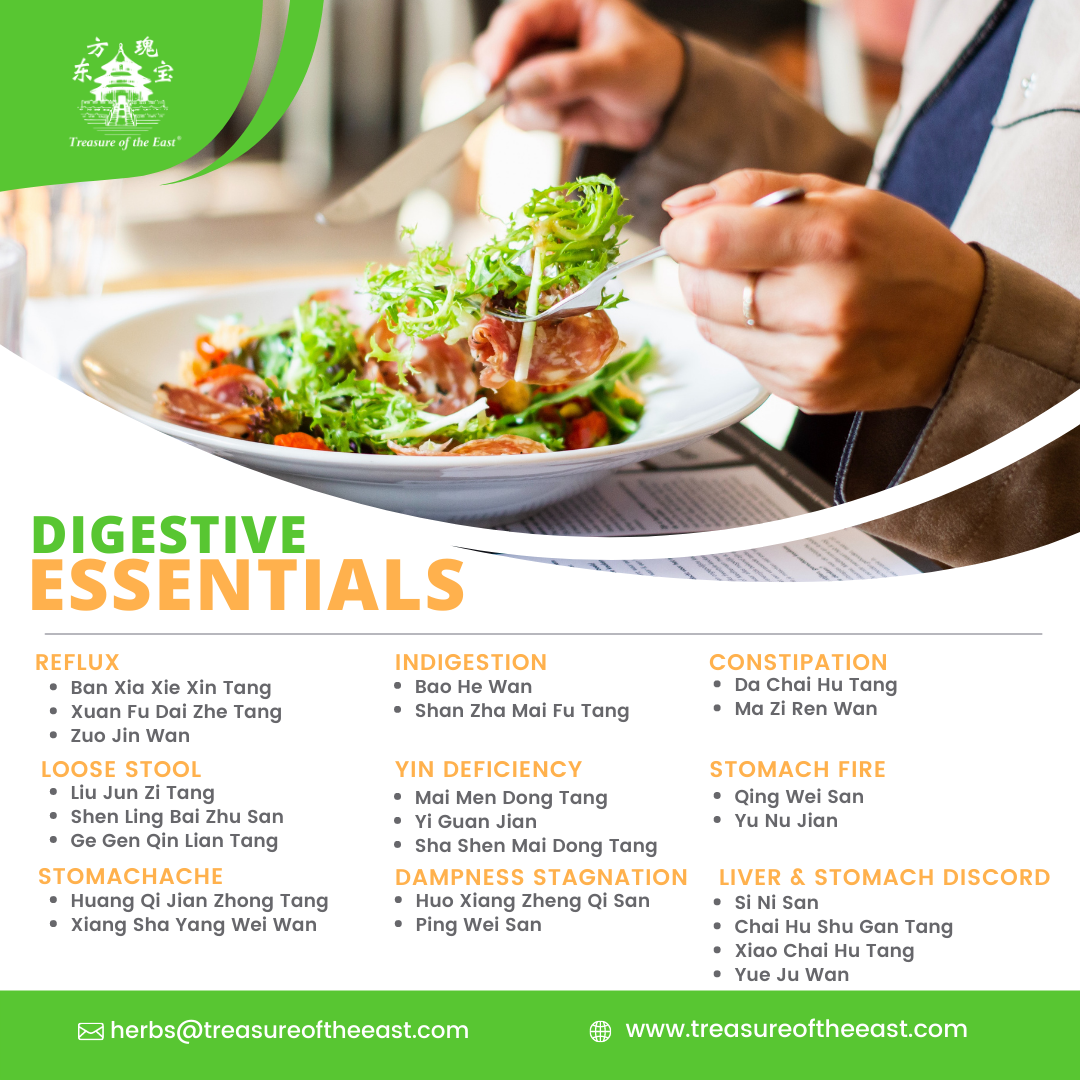
Qing Wei San - 清胃散 - Coptis & Rehmannia Formula (Granules)
Qing Wei San - 清胃散 - Coptis & Rehmannia Formula (Granules)
Couldn't load pickup availability
Not sure this is your formula?
Most people who search a formula name are guessing. Chorus Premium pairs you with a team of Chinese medicine practitioners and a PhD pharmacologist who match the formula to you, check it against your medications, and adjust it as you change.
Full-spectrum, water-based herbal extract; concentrated 5:1 granules (100g/bottle).
Item Number: Q050
Chinese Name: 清胃散, Qing Wei San
English Name: Coptis & Rehmannia Formula
Formula Principles:
Drains stomach Fire and cools the blood, nourishes Yin
Ingredients:
| Sheng Di Huang | Rehmannia |
| Dang Gui | Chinese Angelica Root |
| Mu Dan Pi | Moutan Bark |
| Huang Lian | Coptis Rhizome |
| Sheng Ma | Cimicifuga Rhizome |
TCM Pattern:
Stomach Fire blazing, stomach Heat
Dosage:
Mix 4.5 g in hot water and drink as tea, 2-3 daily.
Classical source
Classical source
Qing Wei San comes from Lan Shi Mi Cang (Secrets from the Orchid Chamber) by Li Dongyuan, the Jin-Yuan physician best known for his Treatise on the Spleen and Stomach. The book was published in 1276, after his death. He wrote the formula for heat in the Stomach that flares up into the teeth and gums: toothache reaching into the head, a hot face, swollen, bleeding gums and bad breath, with a dislike of heat and a liking for cold. Qing wei means to clear the Stomach, and san means powder.
The pattern
The pattern
The pattern is Stomach fire. In Chinese medicine the Stomach channel (Yangming) runs through the upper and lower gums, so heat that builds up in the Stomach rises along it to the mouth and face, and when it enters the blood the gums swell and bleed. There is toothache or gum pain that may reach the head, swollen or bleeding gums, mouth ulcers, a hot face, bad breath and a dry mouth with thirst for cold drinks. Hunger may be strong, and there may be a burning feeling in the stomach. The tongue is red with a yellow coat, and the pulse is slippery, large and rapid. Spicy food, alcohol and heat make it worse; cool drinks ease it. A pale tongue or pain eased by warmth points to a different pattern.
How it works in Chinese medicine
How it works in Chinese medicine
The treatment principle is to clear the Stomach and cool the blood. Coptis is the chief: bitter and cold, it drains fire from the Stomach. Cimicifuga is the deputy: it clears heat and lifts and scatters the fire that is pent up in the Yangming channel, so that coptis can drain without trapping heat inside. Unprocessed rehmannia and moutan bark cool the blood and protect yin, which stops the bleeding gums, and Chinese angelica nourishes and moves blood to ease swelling and pain. The logic is to pair downward draining with upward scattering, following the old principle that constrained fire should be released, and to cool the blood the fire has entered.
Ingredients
Ingredients
- Sheng Di Huang: Rehmannia root, unprocessed
- Dang Gui: Chinese angelica root
- Mu Dan Pi: Moutan (tree peony) root bark
- Huang Lian: Coptis rhizome
- Sheng Ma: Cimicifuga rhizome
Five plant ingredients, with no animal or mineral substances. Concentrated 5:1 water extract; 100 g per bottle.
How to use
How to use
The granules are a 5:1 full-spectrum, water-based extract, 100 g per bottle. Mix 4.5 g in hot water and drink as a tea, two to three times daily, or as directed by your practitioner.
If you are pregnant, nursing, taking medication or managing a health condition, speak with your practitioner before use. Educational information only; these statements have not been evaluated by the FDA and this product is not intended to diagnose, treat, cure or prevent any disease.
In biomedical terms
In biomedical terms
In TCM terms, heat built up in the Stomach flares along the Yangming channel to the gums and mouth, and enters the blood so that the gums swell and bleed. Research interprets this Stomach fire as inflammatory nitric oxide turning destructive. In human gastric ulcers, the inflammatory enzyme iNOS and nitrotyrosine, a footprint of peroxynitrite, were frequent at active ulcer margins [1], and in studies high local doses of nitric oxide damaged the stomach lining through lipid peroxidation that superoxide dismutase reduced, implicating peroxynitrite [2]. In the mouth, adults with periodontitis had higher iNOS in saliva and serum than those with healthy gums [3], and a meta-analysis of 32 studies found more nitric oxide and lipid peroxidation, and less antioxidant capacity, in the saliva of people with chronic periodontitis [4]. For bad breath, very low resting saliva, a thicker tongue coat and deeper gum pockets went with more hydrogen sulfide and methyl mercaptan in mouth air [5].
On the formula side, in studies Qing Wei San healed mouth ulcers in a stomach heat pattern, lowered thromboxane B2 relative to prostacyclin, reduced TNF-alpha, IL-1 beta and IL-6, and damped the TLR4/MyD88/NF-kB pathway in the mouth and stomach lining [6]. Among single herbs, berberine from coptis led gut bacteria to make more butyrate [7]; paeonol from moutan raised Clostridium butyricum and short-chain fatty acids, and its repair of the gut barrier depended on that bacterium [8]; cimicifuga polysaccharide lowered the sulfate-reducing Desulfovibrio and raised Akkermansia [9]; and ferulic acid, a compound in Chinese angelica, lowered endotoxin-producing bacteria and blood LPS [10].
Questions and answers
Questions and answers
What is Qing Wei San used for in Chinese medicine?
Qing Wei San is a classical formula traditionally used for Stomach fire rising to the mouth: toothache or gum pain that may reach the head, swollen or bleeding gums, mouth ulcers, bad breath, a hot face and thirst for cold drinks. It drains heat from the Stomach and cools the blood that the heat has entered. A practitioner usually confirms the pattern before recommending it.
What pattern is Qing Wei San for?
Stomach fire (wei huo): heat accumulated in the Stomach rises along the Yangming channel, which runs through the gums, and enters the blood. Typical signs are a red tongue with a yellow coat and a slippery, rapid pulse, with symptoms worse after spicy food or alcohol. Mouth sores with a pale tongue, or gum pain eased by warmth, point to a different pattern.
How does Qing Wei San work?
In Chinese medicine terms, coptis drains Stomach fire, cimicifuga scatters the heat pent up in the Yangming channel, and rehmannia, moutan and Chinese angelica cool and nourish the blood. In biomedical terms, the pattern is interpreted as inflammatory nitric oxide turning destructive [1], with more salivary iNOS in inflamed gums [3]. In studies, the formula healed mouth ulcers and damped TLR4/NF-kB inflammatory signalling [6], and its herbs supported butyrate-producing gut bacteria [7] [8].
How should Qing Wei San granules be taken?
The granules are a 5:1 full-spectrum water extract that dissolves in hot water and is drunk as a tea. Many people let the tea cool a little before drinking it when the mouth and gums are sore. The label gives the amount, and a practitioner may adjust it. Follow the label or your practitioner for how much to take.
Who should not take Qing Wei San?
Check with a practitioner first if you are pregnant or breastfeeding, take regular medication or have a long-term health condition. Traditionally the formula is not used when the Stomach is cold or weak, with loose stools, a pale tongue or pain eased by warmth, because coptis is strongly cooling. Persistent mouth ulcers, a sore that does not heal, or gum swelling with fever need assessment by a dentist or doctor.
How long does Qing Wei San take to work?
In Chinese medicine, Qing Wei San is a clearing formula, so when the pattern fits, practitioners expect the heat signs in the mouth to ease within days to a couple of weeks, and it is usually used for a limited period. If the pattern keeps returning, a practitioner will look at diet and the underlying cause of the heat.
References
References
- Sakaguchi AA et al. (1999). Increased expression of inducible nitric oxide synthase and peroxynitrite in Helicobacter pylori gastric ulcer. Free Radic Biol Med. PubMed
- Lamarque D et al. (1996). Involvement of peroxynitrite in the lipid peroxidation induced by nitric oxide in rat gastric mucosa. Eur J Pharmacol. PubMed
- Oner F et al. (2024). Salivary and serum nitric oxide synthase, macrophage inflammatory protein 1 alpha and macrophage migration inhibitory factor levels in periodontal disease. Heliyon. PubMed
- Chen M et al. (2019). Oxidative stress-related biomarkers in saliva and gingival crevicular fluid associated with chronic periodontitis: A systematic review and meta-analysis. J Clin Periodontol. PubMed
- Koshimune S et al. (2003). Low salivary flow and volatile sulfur compounds in mouth air. Oral Surg Oral Med Oral Pathol Oral Radiol Endod. PubMed
- Shi L et al. (2022). Qingwei San treats oral ulcer subjected to stomach heat syndrome in db/db mice by targeting TLR4/MyD88/NF-κB pathway. Chin Med. PubMed
- Wang Y et al. (2017). Berberine-induced bioactive metabolites of the gut microbiota improve energy metabolism. Metabolism. PubMed
- Zhao M et al. (2023). Paeonol alleviates ulcerative colitis in mice by increasing short-chain fatty acids derived from Clostridium butyricum. Phytomedicine. PubMed
- Luo Q et al. (2026). Cimicifuga foetida L. polysaccharide alleviates ulcerative colitis by inhibiting pyroptosis and regulating gut microbiota. Front Pharmacol. PubMed
- Tian B et al. (2022). Ferulic acid improves intestinal barrier function through altering gut microbiota composition in high-fat diet-induced mice. Eur J Nutr. PubMed
Share