Treasure of the East
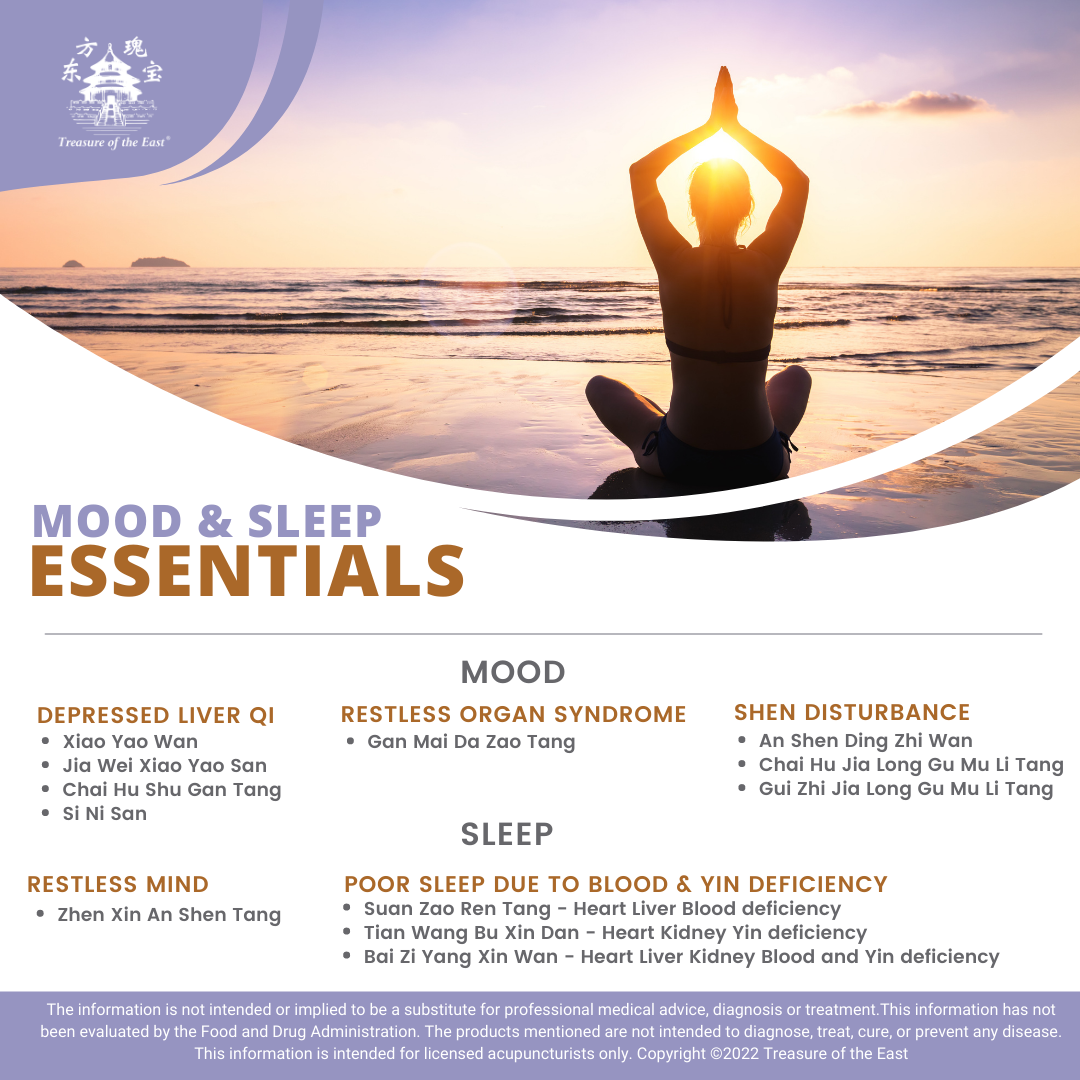
Chai Hu Jia Long Gu Mu Li Tang - 柴胡加龙骨牡蛎汤 - Bupleurum plus Dragon Bone and Oyster Shell Decoction (Granules)
Chai Hu Jia Long Gu Mu Li Tang - 柴胡加龙骨牡蛎汤 - Bupleurum plus Dragon Bone and Oyster Shell Decoction (Granules)
Couldn't load pickup availability
Not sure this is your formula?
Most people who search a formula name are guessing. Chorus Premium pairs you with a team of Chinese medicine practitioners and a PhD pharmacologist who match the formula to you, check it against your medications, and adjust it as you change.
Full-spectrum, water-based herbal extract; concentrated 5:1 granules (100g/bottle).
Chinese Name: 柴胡加龙骨牡蛎汤, Chai Hu Jia Long Gu Mu Li Tang
English Name: Bupleurum plus Dragon Bone and Oyster Shell Decoction
Item Number: C013
Formula Principles:
- Sedates and calms the Spirit
- Harmonizes the Shao Yang
- Unblocks the three Yang Stages
Ingredients:
| Chai Hu | Bupleurum Root |
| Ban Xia (Fa) | Pinellia Rhizome (Processed) |
| Fu Ling | Poria |
| Gui Zhi | Cinnamon Twig |
| Huang Qin (Jiu) | Chinese Skullcap (Processed) |
| Da Zao | Jujube Fruit |
| Sheng Jiang | Ginger |
| Bai Shen | Ginseng Root |
| Long Gu (Sheng) | Dragon's Bone |
| Mu Li (Sheng) | Oyster Shell |
| Da Huang | Rhubarb |
TCM Pattern
- Restless heart
- Supports defense of the Yang Ming or Shao Yang
- Shao Yang Fu with underlying Liver Qi Stagnation
- Disorders due to fright
- Phlegm in the Liver and Gallbladder
Dosage
Mix 4.5 g in hot water and drink as tea, 2-3 daily.
Also available as Capsules.
Classical source
Classical source
Chai Hu Jia Long Gu Mu Li Tang comes from the Shang Han Lun (Treatise on Cold Damage) by Zhang Zhongjing, written at the end of the Eastern Han dynasty, around 200 to 220 CE. Clause 107 describes a cold-damage illness, eight or nine days in, that has been wrongly purged: fullness in the chest, irritability and fright, difficult urination, delirious speech, and a body so heavy it cannot turn. The formula keeps the frame of Minor Bupleurum Decoction to free the Shaoyang pivot and adds heavy substances to settle the spirit. The name means Bupleurum Decoction plus Dragon Bone and Oyster Shell.
The pattern
The pattern
The pattern is Shaoyang constraint with the spirit unanchored. The Shaoyang pivot is stuck, so qi and fluids cannot move freely between outside and inside, and heat gathers in the chest. The Heart's spirit (shen) loses its anchor and floats. People feel on alert: easily startled or frightened, irritable, with palpitations, a full or tight chest, broken sleep and vivid dreams. The body can feel heavy, urination may be scant and the bowels sluggish. The tongue is often red at the edges with a thin yellow or slightly greasy coat; the pulse is wiry and may be rapid. Stress, shocks and lost sleep make it worse. Fearfulness with exhaustion, a pale tongue and a weak pulse points to a deficiency pattern instead.
How it works in Chinese medicine
How it works in Chinese medicine
The treatment principle is to harmonise the Shaoyang, clear heat, and settle and anchor the spirit. The core is Minor Bupleurum Decoction: bupleurum and skullcap free the stuck pivot and clear heat, pinellia and ginger settle the stomach, and ginseng and jujube steady the middle. Like the rest of the family, it harmonises interior and exterior via the Shaoyang pivot. Dragon bone and oyster shell are heavy and sinking: they anchor the spirit so that fright, palpitations and restless sleep can settle. Cinnamon twig and poria move fluids for the heaviness and scant urination, and poria also calms the mind. A little rhubarb drains heat down through the bowel. In biomedical terms, this is interpreted as turning down an alarm response that links the gut, the heart and the brain.
Ingredients
Ingredients
- Chai Hu: Bupleurum root
- Ban Xia (fa): Pinellia rhizome, processed
- Fu Ling: Poria
- Gui Zhi: Cinnamon twig
- Huang Qin (jiu): Baical skullcap root, wine-processed
- Da Zao: Jujube fruit (Chinese red date)
- Sheng Jiang: Fresh ginger rhizome
- Bai Shen: Asian ginseng root, white
- Long Gu (sheng): Dragon bone (fossilised bone), raw
- Mu Li (sheng): Oyster shell, raw
- Da Huang: Rhubarb root and rhizome
Eleven ingredients: nine plants and two that are not plants. Long Gu, dragon bone, is the fossilised bone of large ancient mammals, used raw. Mu Li is oyster shell, also used raw, so the product contains a shellfish-derived ingredient and is not vegan. It contains rhubarb root and no licorice. The label describes the product as a concentrated 5:1 water extract.
How to use
How to use
The granules are a full-spectrum 5:1 water extract, 100 g per bottle, mixed into hot water and drunk as a tea. Follow the label or your practitioner for how much to take.
If you are pregnant, nursing, taking medication or managing a health condition, speak with your practitioner before use. Educational information only; these statements have not been evaluated by the FDA and this product is not intended to diagnose, treat, cure or prevent any disease.
In biomedical terms
In biomedical terms
In TCM terms this is a stuck pivot with a spirit that has lost its anchor. Research interprets it as a brain held on alert: too much nitric oxide in the stress and fear circuits, too little of a calming signal, and a gut that reacts to stress. For anxiety and low mood under long strain: in studies, chronic stress raised the nerve form of nitric oxide synthase in the hippocampus, and blocking it prevented and reversed low-mood behaviour [1]. For startle and fright: nitric oxide in the amygdala, the brain's fear centre, was needed both to learn and to express a heightened startle [2]. For feeling edgy after poor sleep: a hydrogen sulfide donor relieved anxiety-like behaviour and calmed hippocampal inflammation after sleep loss [3]. For broken sleep: people with chronic insomnia have moderately higher cortisol than good sleepers [4], and nitric oxide in the basal forebrain is needed for deep recovery sleep [5]. For palpitations: the nerve form of the same enzyme supports the vagal brake on heart rate [6]. The gut takes part too: in healthy people, public-speaking stress made the small intestine leakier through mast cells [7].
On the formula side, a study found Chai Hu Jia Long Gu Mu Li Tang restored the gut lining's tight junctions, lowered inflammation in the gut and hippocampus, calmed the NLRP3 inflammasome in brain immune cells, and raised Muribaculaceae, Alloprevotella and Bacteroides, bacteria linked to short-chain fatty acids [8]. A study using a modified version lowered Oscillibacter and Colidextribacter and raised the BDNF growth signal in the hippocampus [9]. Among single herbs, poria lowered the sulfide-producing bacterium Bilophila [10], and processed pinellia held back sulfate-reducing bacteria [11].
Clinical research
Clinical research
A meta-analysis of 22 randomised trials in 2,029 people with insomnia found that the formula on its own improved sleep quality scores, response rates and total sleep time compared with conventional sleep medication, with fewer adverse events [12]. A meta-analysis of 21 randomised trials in 1,644 people with depression after stroke found lower depression and neurological scores than with antidepressants, whether used alone or added to them, with the depression benefit seen within the first eight weeks [13]. A review of seven randomised trials in 711 people with hypertension found that, compared with placebo, the formula lowered systolic and diastolic blood pressure and accompanying depressive symptoms [14]. A meta-analysis of trials in people living with depression alongside other long-term conditions found that adding the formula to antidepressants lowered depression and sleep scores and reduced adverse reactions [15].
Questions and answers
Questions and answers
What is Chai Hu Jia Long Gu Mu Li Tang used for in Chinese medicine?
Chai Hu Jia Long Gu Mu Li Tang is a classical formula traditionally used when the whole system is on alert: startling easily, irritability, palpitations, a full or tight chest, broken sleep and a heavy body. Chinese medicine describes this as Shaoyang constraint with the spirit unanchored. It pairs bupleurum, which frees the stuck pivot, with dragon bone and oyster shell, which settle. A practitioner usually confirms the pattern first.
What pattern is Chai Hu Jia Long Gu Mu Li Tang for?
Shaoyang constraint with the spirit unanchored. The pivot between outside and inside is stuck, heat gathers in the chest, and the Heart's spirit floats. Typical signs are fright, palpitations, chest fullness, poor sleep, a tongue red at the edges and a wiry pulse. Fearfulness with exhaustion, a pale tongue and a weak pulse points to a deficiency pattern and a different formula.
How does Chai Hu Jia Long Gu Mu Li Tang work?
In Chinese medicine terms, bupleurum and skullcap free the Shaoyang pivot and clear heat, dragon bone and oyster shell anchor the spirit, and poria and cinnamon twig move fluids. In biomedical terms, research interprets the pattern as stress circuits running hot, with raised nitric oxide in the hippocampus and amygdala [1] [2]. In studies, the formula restored the gut lining and calmed inflammation in the gut and brain [8].
What are dragon bone and oyster shell in Chinese medicine?
Dragon bone, Long Gu, is fossilised bone from large ancient mammals; no dragons are involved. Oyster shell, Mu Li, is the shell of the oyster. Both are heavy substances, and Chinese medicine uses them to settle and anchor the spirit when a person feels jumpy, frightened or unable to sleep. Because oyster shell comes from shellfish, the product is not vegan, and anyone with a shellfish allergy should ask a practitioner first.
What is the difference between Chai Hu Jia Long Gu Mu Li Tang capsules and granules?
Both are 5:1 full-spectrum water extracts of the same eleven ingredients from the same maker. The granules dissolve in hot water and are drunk as a tea, so a practitioner can fine-tune the amount. The capsules hold the same kind of extract in a form that is easy to take at work or when travelling. Follow the label or your practitioner for how much to take.
Who should not take Chai Hu Jia Long Gu Mu Li Tang?
Check with a practitioner first if you are pregnant or breastfeeding, take prescription medication, or have a shellfish allergy. Do not reduce or stop a prescribed medicine to start an herbal formula without talking to the prescriber. Traditionally it is used with care when stools are already loose, since it contains rhubarb, and it is not the formula for fearfulness that comes from exhaustion and deficiency.
References
References
- Zhou QG et al. (2007). Neuronal nitric oxide synthase contributes to chronic stress-induced depression by suppressing hippocampal neurogenesis. J Neurochem. PubMed
- Overeem KA et al. (2012). Nitric oxide synthesis in the basolateral complex of the amygdala is required for the consolidation and expression of fear potentiated startle but not shock sensitization of the acoustic startle. Neurobiol Learn Mem. PubMed
- Kang X et al. (2021). Hydrogen sulfide antagonizes sleep deprivation-induced depression- and anxiety-like behaviors by inhibiting neuroinflammation in a hippocampal Sirt1-dependent manner. Brain Res Bull. PubMed
- Dressle RJ et al. (2022). HPA axis activity in patients with chronic insomnia: A systematic review and meta-analysis of case-control studies. Sleep Med Rev. PubMed
- Kalinchuk AV et al. (2006). Nitric oxide production in the basal forebrain is required for recovery sleep. J Neurochem. PubMed
- Choate JK et al. (2001). Peripheral vagal control of heart rate is impaired in neuronal NOS knockout mice. Am J Physiol Heart Circ Physiol. PubMed
- Vanuytsel T et al. (2014). Psychological stress and corticotropin-releasing hormone increase intestinal permeability in humans by a mast cell-dependent mechanism. Gut. PubMed
- Wang B et al. (2026). Chaihu-Jia-Longgu-Muli Tang ameliorates chronic restraint stress-induced depressive-like behaviors in association with modulation of the gut microbiota-NLRP3 inflammasome-microglia axis. Metab Brain Dis. PubMed
- Chen Y et al. (2026). Modulation of the microbiota-lipid-brain axis by modified Chaihu-Longgu-Muli Decoction ameliorates chronic stress-induced depression. Front Mol Neurosci. PubMed
- Zhou X et al. (2025). Regulatory effects of Poria cocos polysaccharides on gut microbiota and metabolites: evaluation of prebiotic potential. NPJ Sci Food. PubMed
- Gao KX et al. (2024). In vivo absorption, in vitro simulated digestion and fecal fermentation properties of polysaccharides from Pinelliae Rhizoma Praeparatum Cum Alumine and their effects on human gut microbiota. Int J Biol Macromol. PubMed
- Wang X et al. (2020). Chaihu Longgu Muli decoction, a Chinese herbal formula, for the treatment of insomnia: A systematic review and meta-analysis. Medicine (Baltimore). PubMed
- Kwon CY et al. (2019). Efficacy and safety of Sihogayonggolmoryeo-tang (Saikokaryukotsuboreito, Chai-Hu-Jia-Long-Gu-Mu-Li-Tang) for post-stroke depression: A systematic review and meta-analysis. Sci Rep. PubMed
- Lee B et al. (2020). Herbal Medicine (Sihogayonggolmoryeo-Tang or Chai-Hu-Jia-Long-Gu-Mu-Li-Tang) for Treating Hypertension:A Systematic Review and Meta-Analysis. Evid Based Complement Alternat Med. PubMed
- Jia X et al. (2023). Effect-enhancing and toxicity-reducing effects of Chaihu Jia Longgu Muli decoction in the treatment of multimorbidity with depression: a systematic review and meta-analysis. Pharm Biol. PubMed
Share