Treasure of the East
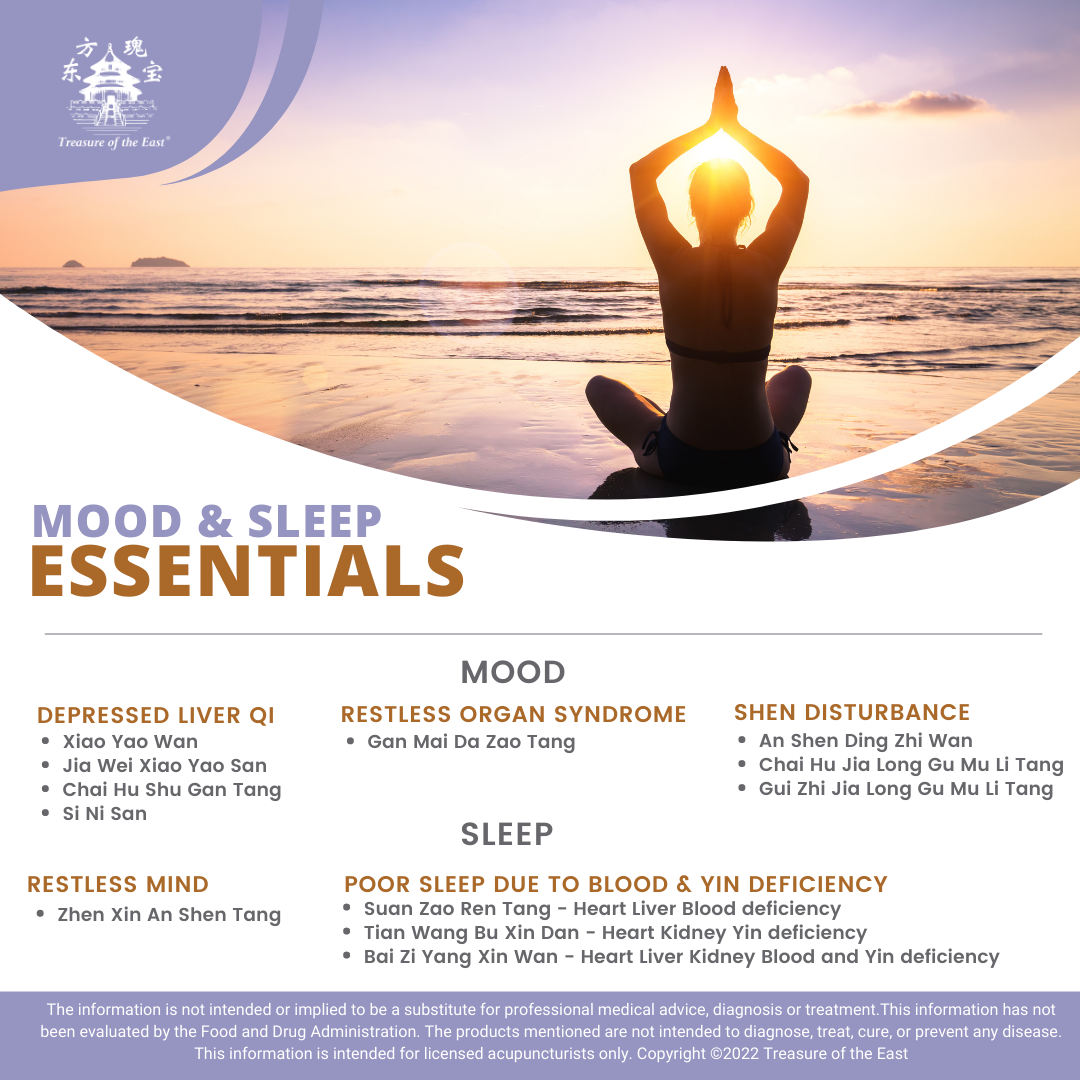
Bai Zi Yang Xin Wan - 柏子养心丸 - Arborvitae Seed Nourishing Pill (Granules)
Bai Zi Yang Xin Wan - 柏子养心丸 - Arborvitae Seed Nourishing Pill (Granules)
Couldn't load pickup availability
Not sure this is your formula?
Most people who search a formula name are guessing. Chorus Premium pairs you with a team of Chinese medicine practitioners and a PhD pharmacologist who match the formula to you, check it against your medications, and adjust it as you change.
Full-spectrum, water-based herbal extract; concentrated 5:1 granules (100g/bottle).
Item Number: B100
Chinese Name: 柏子养心丸, Bai Zi Yang Xin Wan
English Name: Arborvitae Seed Nourishing Pill
This modern formula is designed to support the Western common conditions. It is selected based on the efficiency of the TCM hospital use.*
Formula Principles:
- Reinforces and Strengthens Heart Qi
- Calms the Spirit
- Nourishes the Heart Blood *
Ingredients (2023 Formulation):
| Bai Zi Ren | Arborvitae Seed |
| Ban Xia (Jiang) | Pinellia Rhizome (Ginger Processed) |
| Chuan Xiong | Chuanxiong Rhizome |
| Dang Gui | Chinese Angelica Root |
| Dang Shen | Codonopsis Root |
| Fu Ling | Poria |
| Gan Cao (Mi) | Licorice Root (Processed) |
| Huang Qi (Mi) | Astragalus Root (Processed) |
| Rou Gui | Cassia Bark |
| Suan Zao Ren (Chao) | Spiny Jujube Kernel (Processed) |
| Wu Wei Zi (Cu Zhi) | Schisandra Berry (Processed) |
| Yuan Zhi (Zhi) | Polygala Root (Processed) |
Ingredients (Updated Formulation):
| Bai Zi Ren |
Arborvitae Seed |
| Chuan Xiong |
Chuanxiong Rhizome |
| Dang Gui |
Chinese Angelica Root |
| Dang Shen |
Codonopsis Root |
| Fu Ling |
Poria |
| Gan Cao (Mi) |
Licorice Root (Processed) |
| Huang Qi (Mi) | Astragalus Root (Processed) |
| Liu Shen Qu | Medicated Leaven (Processed)* |
| Rou Gui | Cassia Bark |
| Suan Zao Ren (Chao) | Spiny Jujube Kernel (Processed) |
| Wu Wei Zi (Cu) | Schisandra Berry (Processed) |
| Yuan Zhi (Zhi) | Polygala Root (Processed) |
Allergen: Contains Wheat *
Ingredients provided for reference. Bottles containing 2023 Formulation will be fulfilled until they are sold out - to verify which formulation is currently being shipped, contact us through chat or at herbs@treasureoftheeast.com
TCM Pattern
- Blood Deficiency with a weak constitution
Source
Dosage
Mix 4.5 g in hot water and drink as tea, 2-3 daily.
Also available as Capsules.
*The information provided here is for healthcare professional practitioners only. These statements have not been evaluated by the Food and Drug Administration. This product is not intended to diagnose, treat, cure or prevent any disease.
Classical source
Classical source
Bai Zi Yang Xin Wan, as made here, is based on the recipe standardised in the Chinese Pharmacopoeia, which lists it as a pill to boost qi, nourish blood and calm the spirit when Heart qi is weak and cold, with palpitations, easy fright, dream-filled sleep and forgetfulness. That recipe descends from Yang Xin Tang (Nourish the Heart Decoction), a Song dynasty formula recorded in Ren Zhai Zhi Zhi Fang, which joins qi tonics, blood tonics and calming seeds with a little cinnamon bark for warmth. Bai zi ren is arborvitae seed, yang xin means to nourish the Heart, and wan is a pill.
The pattern
The pattern
The pattern is Heart qi and blood deficiency with cold (xin qi xu han). In Chinese medicine Heart qi keeps the heartbeat steady and Heart blood gives the spirit a place to rest. When both run low, and the Heart's warmth runs low with them, the person startles easily and the heart flutters or skips, especially with exertion or a sudden noise. Sleep is light and full of dreams, memory slips, and concentration fades. There is tiredness, shortness of breath on effort, a pale face, and cold hands or a liking for warmth. The tongue is pale with a thin white coat, and the pulse is thin and weak, sometimes irregular. Rest and warmth help; overwork and cold make it worse. A red tongue with night sweats points to Heart yin deficiency, which needs a cooling formula instead.
How it works in Chinese medicine
How it works in Chinese medicine
The treatment principle is to boost Heart qi, nourish blood and calm the spirit, with a little warmth. Arborvitae seed is the chief: moist and gentle, it nourishes the Heart and settles the mind. Honey-fried astragalus and codonopsis lift qi, and Chinese angelica and chuanxiong nourish and move blood, so that the Heart is both filled and kept flowing. Sour jujube seed, schisandra and polygala calm the spirit, gather scattered Heart qi and steady sleep. Poria strengthens the Spleen and quiets the mind. Cassia bark warms yang and helps the tonics generate qi and blood. Medicated leaven helps digestion so the rich herbs are absorbed, and honey-fried licorice harmonises the formula.
Ingredients
Ingredients
- Bai Zi Ren: Arborvitae seed
- Chuan Xiong: Chuanxiong rhizome (Sichuan lovage)
- Dang Gui: Chinese angelica root
- Dang Shen: Codonopsis root
- Fu Ling: Poria
- Gan Cao (mi): Licorice root, honey-fried
- Huang Qi (mi): Astragalus root, honey-fried
- Liu Shen Qu: Medicated leaven (fermented)
- Rou Gui: Cassia bark
- Suan Zao Ren (chao): Sour jujube seed, dry-fried
- Wu Wei Zi (cu): Schisandra berry, vinegar-processed
- Yuan Zhi (zhi): Polygala root, prepared
Twelve ingredients, with no animal or mineral substances. It contains honey-fried licorice root and astragalus, and schisandra berry processed with vinegar. Medicated leaven is a fermented preparation made with wheat, and the Treasure of the East labels state the product contains wheat, so it is not suitable for anyone with celiac disease.
How to use
How to use
The granules are a 5:1 full-spectrum water extract, 100 g per bottle, mixed into hot water and drunk as a tea. Mix 4.5 g in hot water and drink as tea, 2-3 daily, or as directed by your practitioner.
If you are pregnant, nursing, taking medication or managing a health condition, speak with your practitioner before use. Educational information only; these statements have not been evaluated by the FDA and this product is not intended to diagnose, treat, cure or prevent any disease.
In biomedical terms
In biomedical terms
In TCM terms this is a Heart short of both drive and nourishment, with too little warmth. Research interprets it mainly as too little nitric oxide in the heart's own nerves and too little hydrogen sulfide in its muscle. In 26 healthy men, blocking nitric oxide production blunted the vagal measures of heart rate variability, and a nitric oxide donor preserved them [1]. In studies, raising the nerve form of nitric oxide synthase in the right atrium increased acetylcholine release and strengthened vagal slowing of the heart [2]. When nitric oxide synthesis was blocked, heart muscle made less hydrogen sulfide and switched down the program that builds new mitochondria, and a hydrogen sulfide donor restored both [3]. For the blood side of the pattern, the nerve form of nitric oxide synthase was needed to raise cardiac output when the blood was thin [4], and acute thinning of the blood raised that enzyme in the brain's cortex as tissue oxygen fell [5].
Among the formula's herbs, a cassia bark water extract, taken for eight weeks in a placebo-controlled trial of 70 people with diarrhoea symptoms, increased gut microbial diversity, shifted Bifidobacterium longum and lowered faecal indole [6]. Arborvitae seed oil helped keep the gut flora in balance alongside better memory [7]. A schisandra polysaccharide raised Lactobacillus reuteri and lowered circulating endotoxin [8], polygala oligosaccharide esters rebalanced the gut flora, including Ligilactobacillus, and lowered the microbial metabolite TMAO [9], and medicated leaven raised gut microbial diversity, with Lactobacillus and Ligilactobacillus among the dominant groups [10].
Clinical research
Clinical research
Yang Xin Tang, the decoction this pill descends from, is widely prescribed in Taiwan. In national health insurance records of people with ischaemic heart disease, it was among the five formulas most often prescribed [11]. In a second analysis of 22,441 prescriptions for the same group, Zhi Gan Cao Tang, Yang Xin Tang and Gua Lou Xie Bai Ban Xia Tang made up the most common three-formula combination [12].
Questions and answers
Questions and answers
What is Bai Zi Yang Xin Wan used for in Chinese medicine?
Bai Zi Yang Xin Wan is a traditional formula used for Heart qi and blood deficiency with cold: a heart that flutters or skips, easy fright, light, dream-filled sleep, forgetfulness, tiredness and a pale face, often with cold hands. It boosts qi, nourishes blood and calms the spirit, with a little cassia bark for warmth. A practitioner usually confirms the pattern before recommending it.
What pattern is Bai Zi Yang Xin Wan for?
Heart qi and blood deficiency with cold (xin qi xu han). Heart qi is too weak to keep the beat steady and Heart blood too thin to settle the spirit, and warmth runs low with them. Typical signs are a pale tongue with a thin white coat and a thin, weak pulse. A red tongue with night sweats and a dry mouth points to Heart yin deficiency, which needs a cooling formula.
How does Bai Zi Yang Xin Wan work?
In Chinese medicine terms, arborvitae seed nourishes the Heart, astragalus and codonopsis lift qi, Chinese angelica and chuanxiong nourish and move blood, and sour jujube seed, schisandra and polygala calm the spirit. In biomedical terms, research interprets the pattern as too little nitric oxide in the heart's vagal nerves [1] [2]. Among its herbs, cassia bark raised gut microbial diversity in a placebo-controlled trial [6].
What is the difference between Bai Zi Yang Xin Wan and Tian Wang Bu Xin Dan?
Both nourish the Heart with arborvitae seed and calm the spirit, but they lean in opposite directions. Bai Zi Yang Xin Wan is warming, with astragalus and cassia bark, for weak Heart qi and blood with cold: a pale tongue and easy fright. Tian Wang Bu Xin Dan is cooling, with raw rehmannia and ophiopogon, for yin deficiency with heat: a red tongue tip and night sweats.
What is the difference between Bai Zi Yang Xin Wan capsules and granules?
Both are 5:1 full-spectrum water extracts of the same twelve herbs from the same maker. The granules dissolve in hot water and are drunk as a tea, which makes the amount easy for a practitioner to adjust. The capsules hold the same kind of extract in a portable, tasteless form. Both labels state the product contains wheat, so neither is suitable for anyone with celiac disease.
Who should not take Bai Zi Yang Xin Wan?
It is not suitable for anyone with celiac disease, since the label states it contains wheat. Check with a practitioner first if you are pregnant or breastfeeding or take regular medication, including blood-thinning medication, since Chinese angelica may interact with it. Traditionally this warming formula is not used when there are heat signs, such as a red tongue, night sweats or agitation.
References
References
- Chowdhary S et al. (2000). Nitric oxide and cardiac autonomic control in humans. Hypertension. PubMed
- Mohan RM et al. (2002). Neuronal nitric oxide synthase gene transfer promotes cardiac vagal gain of function. Circ Res. PubMed
- Huang S et al. (2023). Hydrogen sulfide alleviates heart failure with preserved ejection fraction in mice by targeting mitochondrial abnormalities via PGC-1α. Nitric Oxide. PubMed
- Tsui AK et al. (2011). Priming of hypoxia-inducible factor by neuronal nitric oxide synthase is essential for adaptive responses to severe anemia. Proc Natl Acad Sci U S A. PubMed
- Hare GM et al. (2003). Hemodilutional anemia is associated with increased cerebral neuronal nitric oxide synthase gene expression. J Appl Physiol (1985). PubMed
- Park SY et al. (2023). Cinnamon (Cinnamomum cassia) water extract improves diarrhea symptoms by changing the gut environment: a randomized controlled trial. Food Funct. PubMed
- Zeng MN et al. (2023). [Platycladi Semen oil ameliorates Aβ_(25-35)-induced brain injury in mice based on network pharmacology and gut microbiota]. Zhongguo Zhong Yao Za Zhi. PubMed
- Chi YY et al. (2024). Schisandra chinensis polysaccharide prevents alcohol-associated liver disease in mice by modulating the gut microbiota-tryptophan metabolism-AHR pathway axis. Int J Biol Macromol. PubMed
- Wang Y et al. (2026). Polygala oligosaccharide esters improve memory disorder by restoring gut microbiota homeostasis through the regulation of the "gut-brain" axis. Chin Med. PubMed
- Guo K et al. (2025). Massa Medicata Fermentata treated spleen deficiency constipation by mediating intestinal microbiota and serum peptide. Front Cell Infect Microbiol. PubMed
- Hung IL et al. (2022). Chinese Herbal Medicine as an Adjunctive Therapy Improves the Survival Rate of Patients with Ischemic Heart Disease: A Nationwide Population-Based Cohort Study. Evid Based Complement Alternat Med. PubMed
- Wang LS et al. (2022). Clinical Patterns of Traditional Chinese Medicine for Ischemic Heart Disease Treatment: A Population-Based Cohort Study. Medicina (Kaunas). PubMed
Share